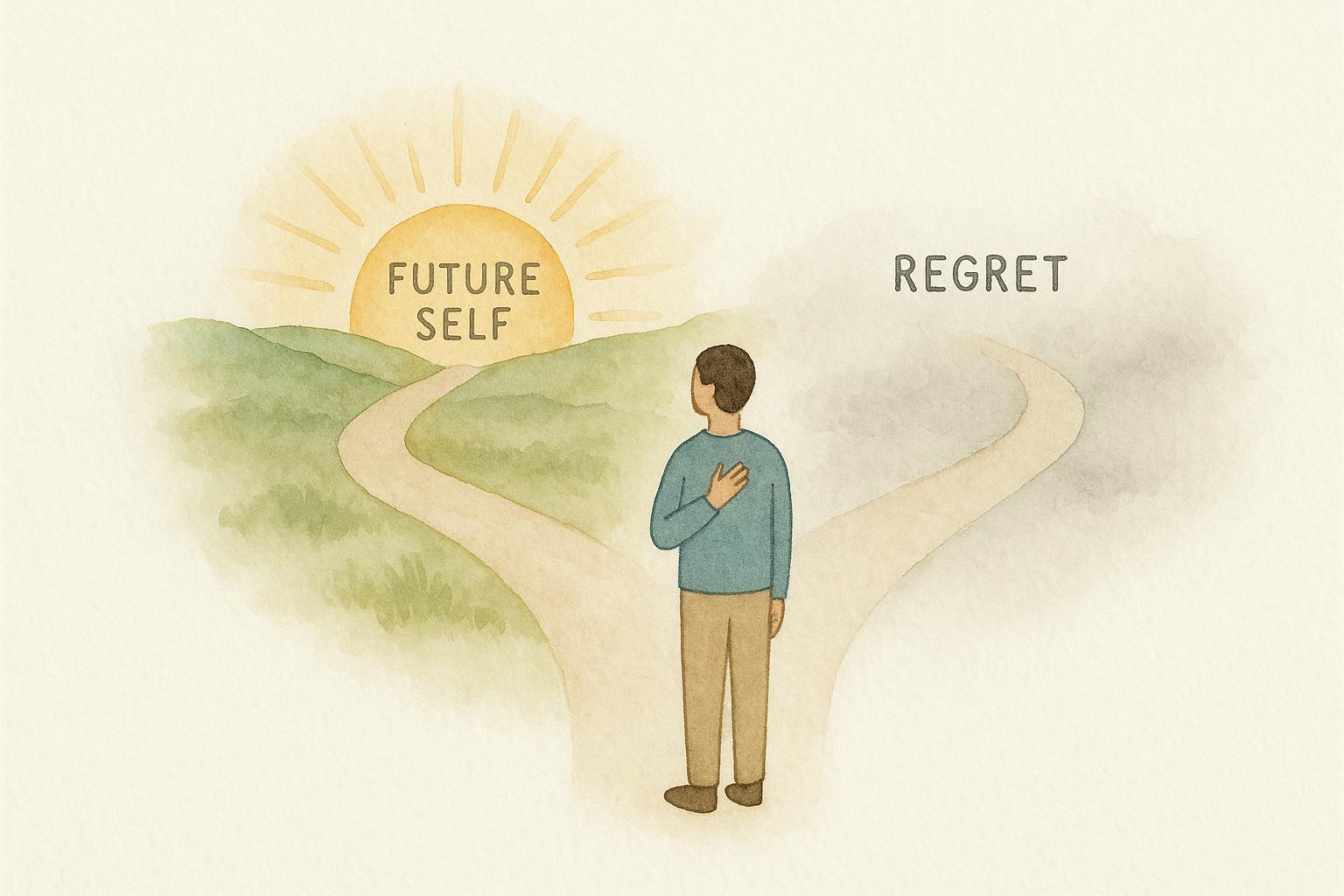
Resilience Isn't About Never Giving Up

Resilience has become one of those buzzwords nobody questions anymore. We celebrate people who "never give up" and treat quitting like it's some kind of moral failure. But here's the thing—this popular definition of resilience? It's actually keeping us stuck in the wrong battles.
The Two Faces of Resilience
"Never giving up" means you keep doing the same thing no matter what happens. You persist. You push harder. You refuse to quit under any circumstances.
"Moving forward no matter what" means something entirely different. You might stop what you're doing, sure. You might quit a specific approach. But you never stop progressing toward better outcomes.
These approaches produce completely different results in practice. The first one chains you to a sinking ship. The second gives you permission to build a new boat. The first breeds stubbornness—the second breeds adaptability.
Why Insistence Without Direction Fails
Doing the same thing and expecting different results is literally the definition of insanity. Yet somehow we call this "resilience" when someone refuses to quit a failing project for 3 years straight. We reward grinding when we should be rewarding pivoting.
Don't get me wrong—insistence works when your strategy is sound and you just need more time. But insistence fails spectacularly when the strategy itself is fundamentally broken. Most people can't tell the difference until they've already wasted years.
The Real Definition of Resilience
Here's what resilience actually means: you move forward regardless of what happens.
Your project failed? Move to the next one. Your biggest customer left? Find the next customer (or the next 10). You got knocked down? Stand up and walk in a new direction.
This version of resilience requires way less grinding and way more wisdom. It asks you to actually evaluate what's working instead of blindly pushing forward with your head down. It separates your ego from your outcomes—and that's uncomfortable for most people.
When Quitting Is the Smartest Move
Success shouldn't require suffering through the wrong path for years. Happiness shouldn't demand that you ignore obvious signs of failure staring you in the face. If you're grinding endlessly without measurable progress, the problem isn't your effort level.
Strategic quitting is a skill that separates people who actually succeed from people who just burn out and tell themselves they were "resilient." You quit the tactics that stopped working. You quit the customers who drain 80% of your energy for 5% of your revenue. You quit the approaches that stopped producing results six months ago (but you kept doing them anyway because... momentum? Sunk cost? Pride?).
Surfing Beats Swimming Every Time
What if achieving your goals doesn't require forcing everything? What if there's a path that works with your natural energy instead of constantly fighting against it?
This doesn't mean success is easy or effort-free—let's be clear. It means you choose battles where your effort actually compounds instead of evaporating. You surf waves instead of swimming against riptides. You build real momentum instead of manufacturing fake productivity.
I've noticed something in my own projects: when I'm forcing something that isn't working, it feels like pushing a boulder uphill. Every. Single. Day. But when I'm on the right path? Things still require effort, sure—but that effort produces results. It flows.
The Skill Nobody Teaches
The ability to quit at the right time and move forward is probably the most underrated skill in business and life. Knowing when to walk away from a failing approach directly determines how fast you find the winning one.
Resilience is moving forward no matter what.
Not staying put no matter what.